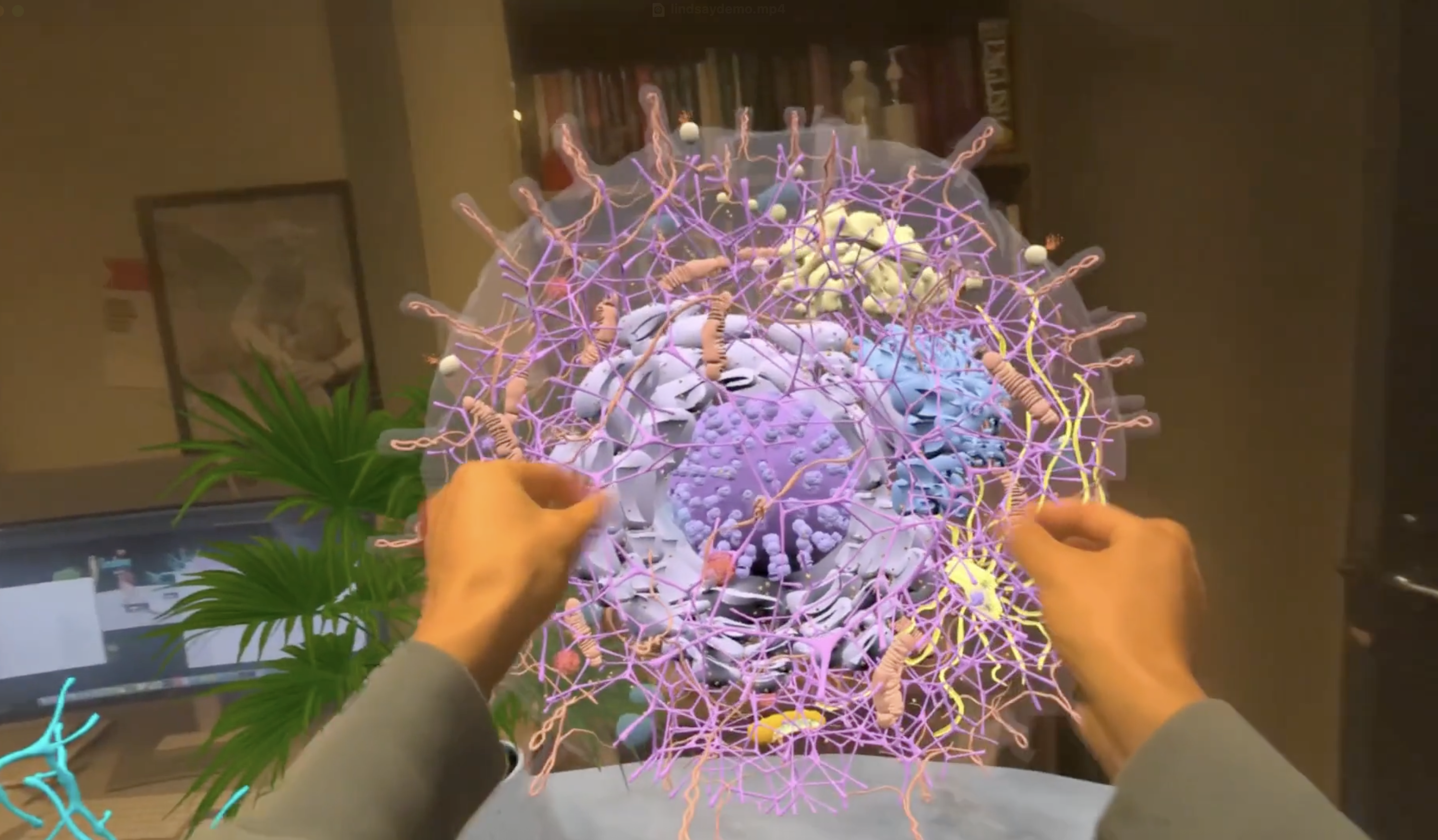
A research initiative to port the Lindsay Virtual Human's Atrium component to Apple Vision Pro, creating an immersive spatial experience for exploring human anatomy.
A research initiative to port the Lindsay Virtual Human's Atrium component to Apple Vision Pro, creating an immersive spatial experience for exploring human anatomy.
Led by Dr. Christian Jacob, this project aimed to bring the Lindsay Atrium from Twinmotion into Apple Vision Pro using Unreal Engine. The goal was to leverage the AVP's spatial computing and high-fidelity visuals to create an immersive, educational experience showcasing detailed anatomical models of the human body and other biological structures.
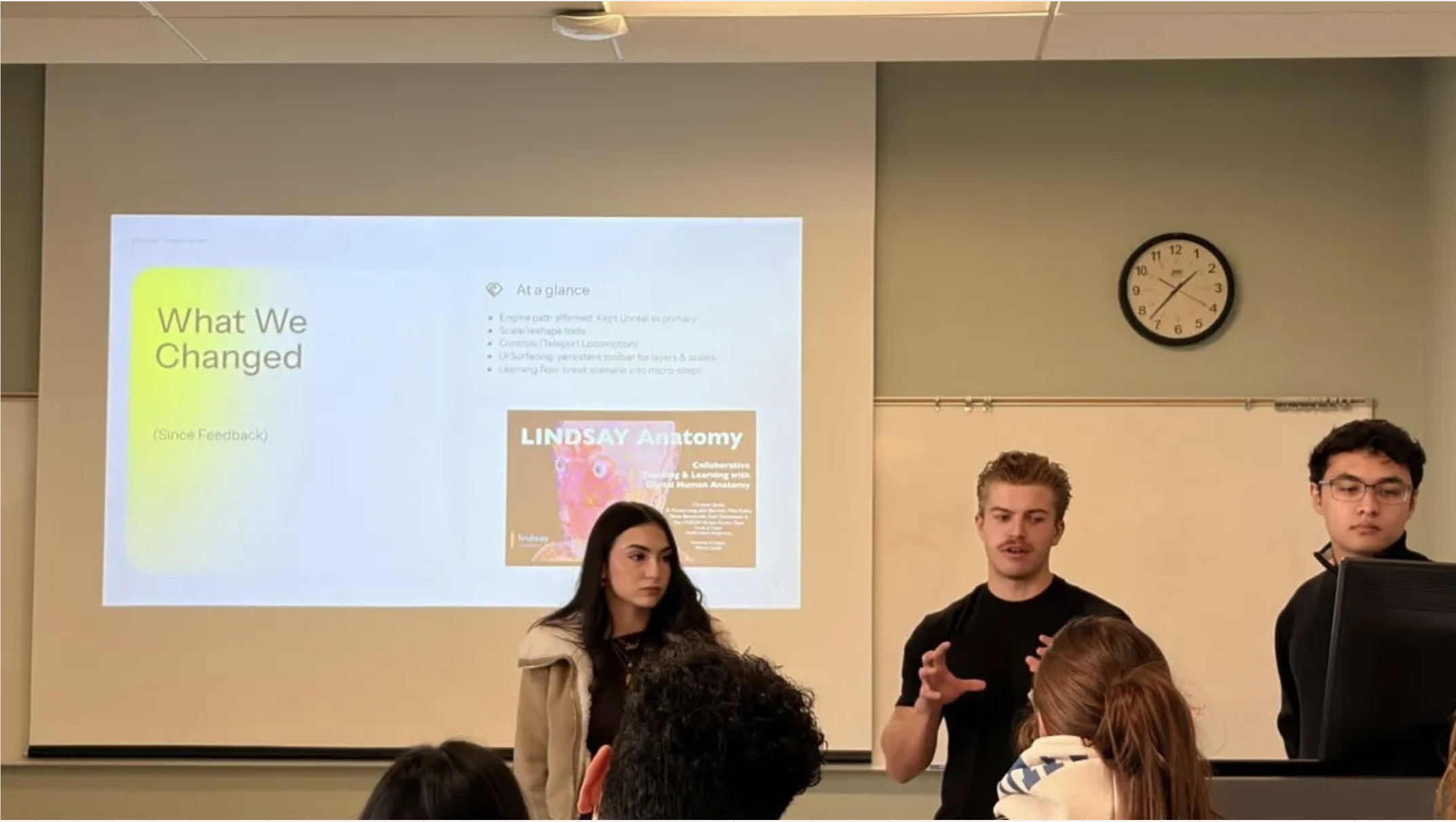
We had to overcome many challenges, but ultimately, we were able to create a functional prototype that allows users to explore and interact with anatomical models on the apple vision pro.
An (almost) seamless integration of virtual anatomical models with the physical environment using the Vision Pro's passthrough capabilities.
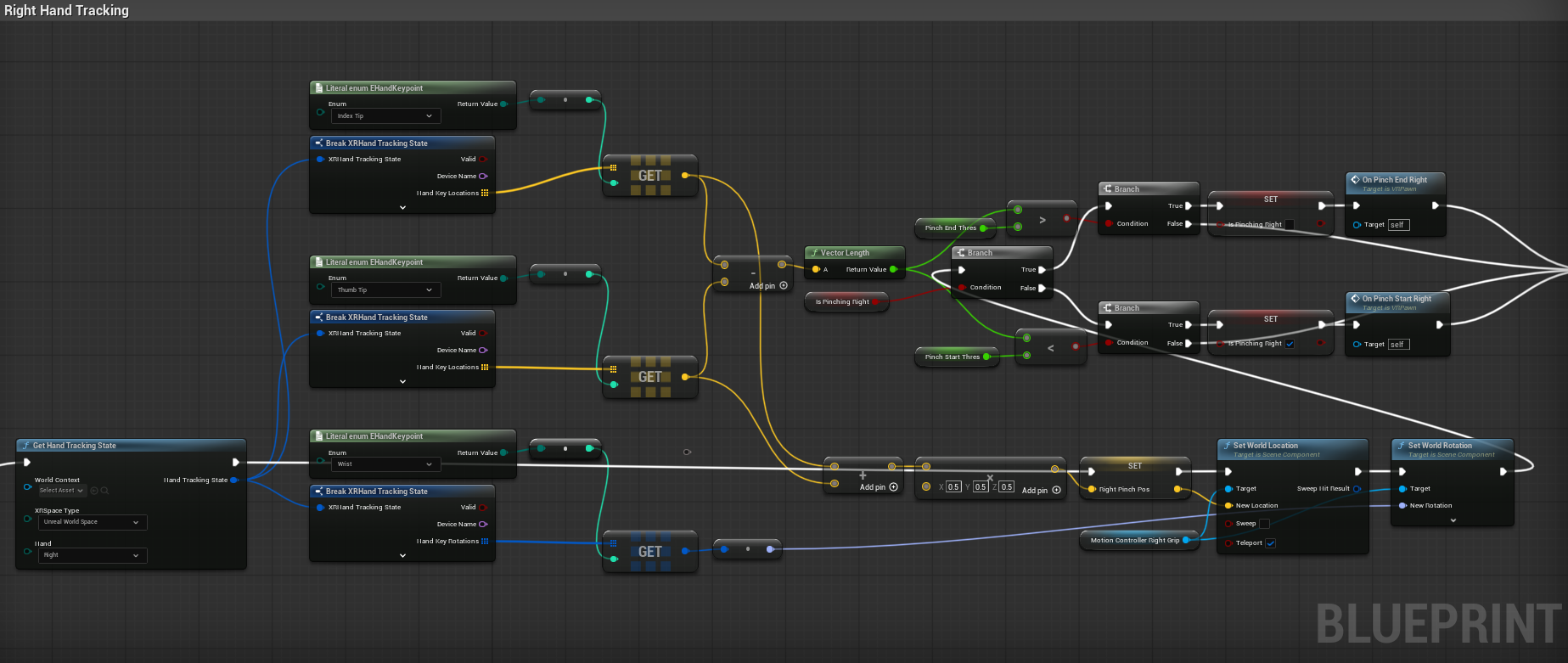
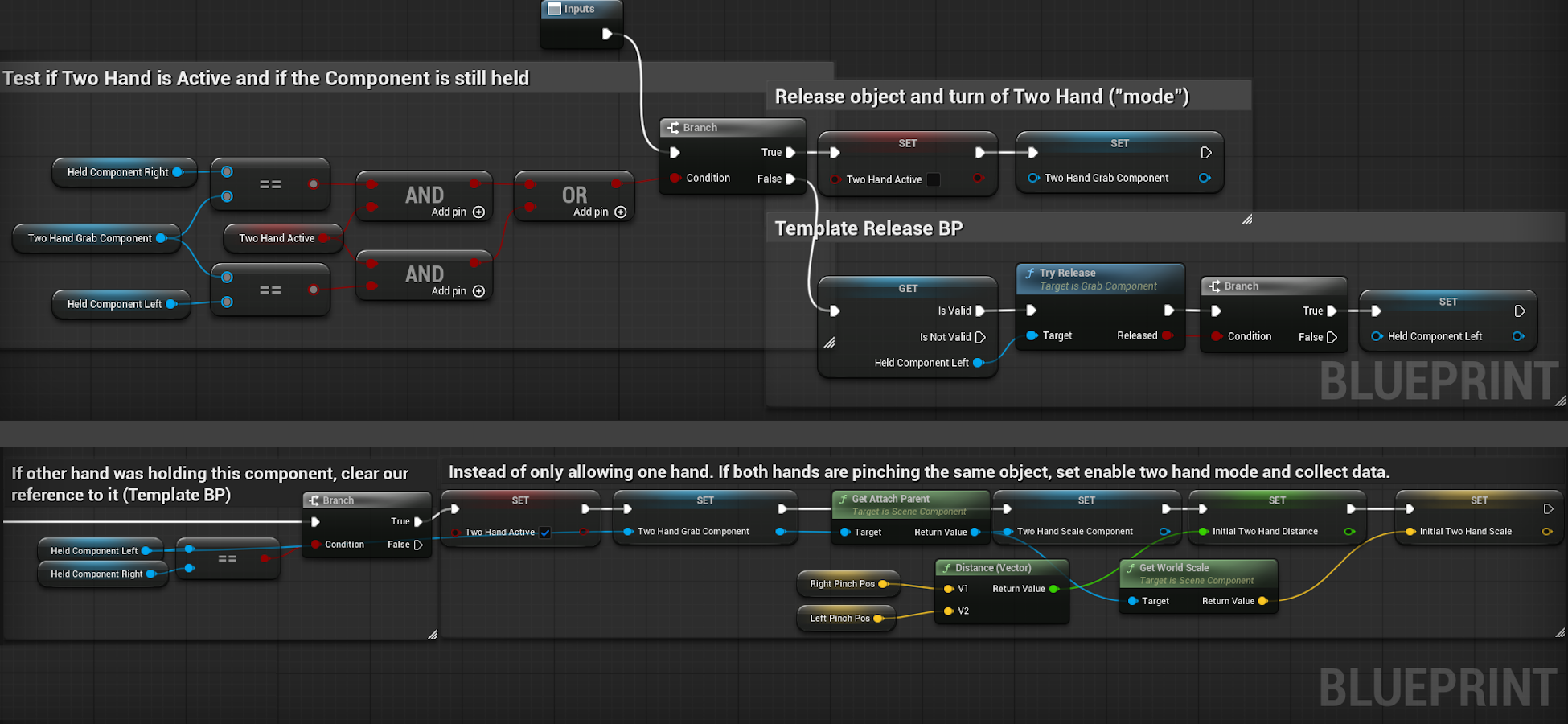
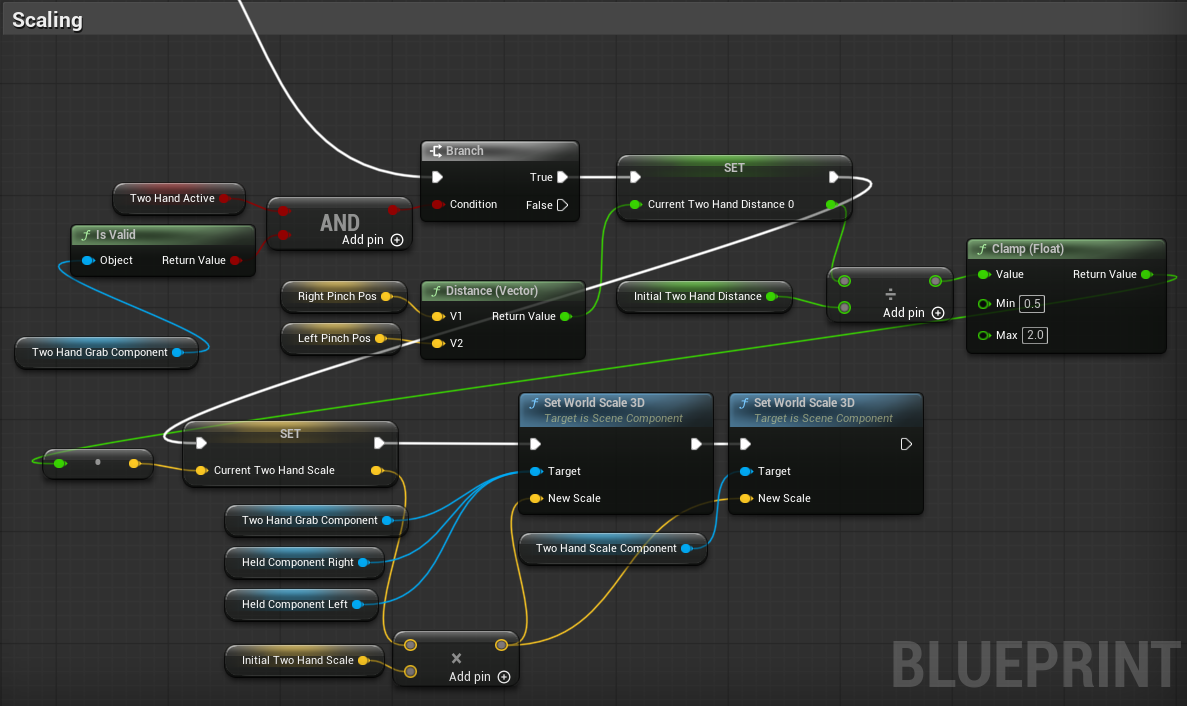
Custom gesture controls built from scratch to enable (relatively) intuitive interaction with 3D models using your hands.
Anatomical models in immersive spatial viewing (getting these to render properly and without dissapearing or crashing the entire app was potentially the most difficult part!)
The ability to walk around, reach through, and view anatomical models in 3D space for comprehensive study.
Perhaps most compelling, we were among the first people at this time to develop a full pipeline for bringing Unreal Engine 5.3 projects into the Apple Vision Pro while integrating spacial interaction and computing features.
The greatest takeaways from this project all revolved around the challenges we faced. Bringing the prototype to life required overcoming many hurdles - ones that lacked documentation, error codes, and in general, clear solutions. I learned that while being an early adopter of new technologies can be frustrating, it also provides some of the realest learning opportunities and allows you to accomplish things that very few people already have.
Learn more about the Lindsay Virtual Human project and the Lindsay Atrium at lindsayvirtualhuman.com